
The Knife’s Edge of AI
Creation & Authorship statement: No AI was used at any point in the creation or editing of this writing, it is entirely from the (often scattered) brain of Tim Nikolsky in July 2026. Maybe it would be more cohesive and easier to read and tighter if I ran it through Chatty-G; but I’ve consciously chosen to put this out into the world in its raw, human form, warts and all.
We are at a consequential time right now as musicians, creators and consumers. It feels like everything is on a knife’s edge and could go either way. Oblivion or Utopia, either is achievable. Some call it a polycrisis, others call it a clusterf&%k.
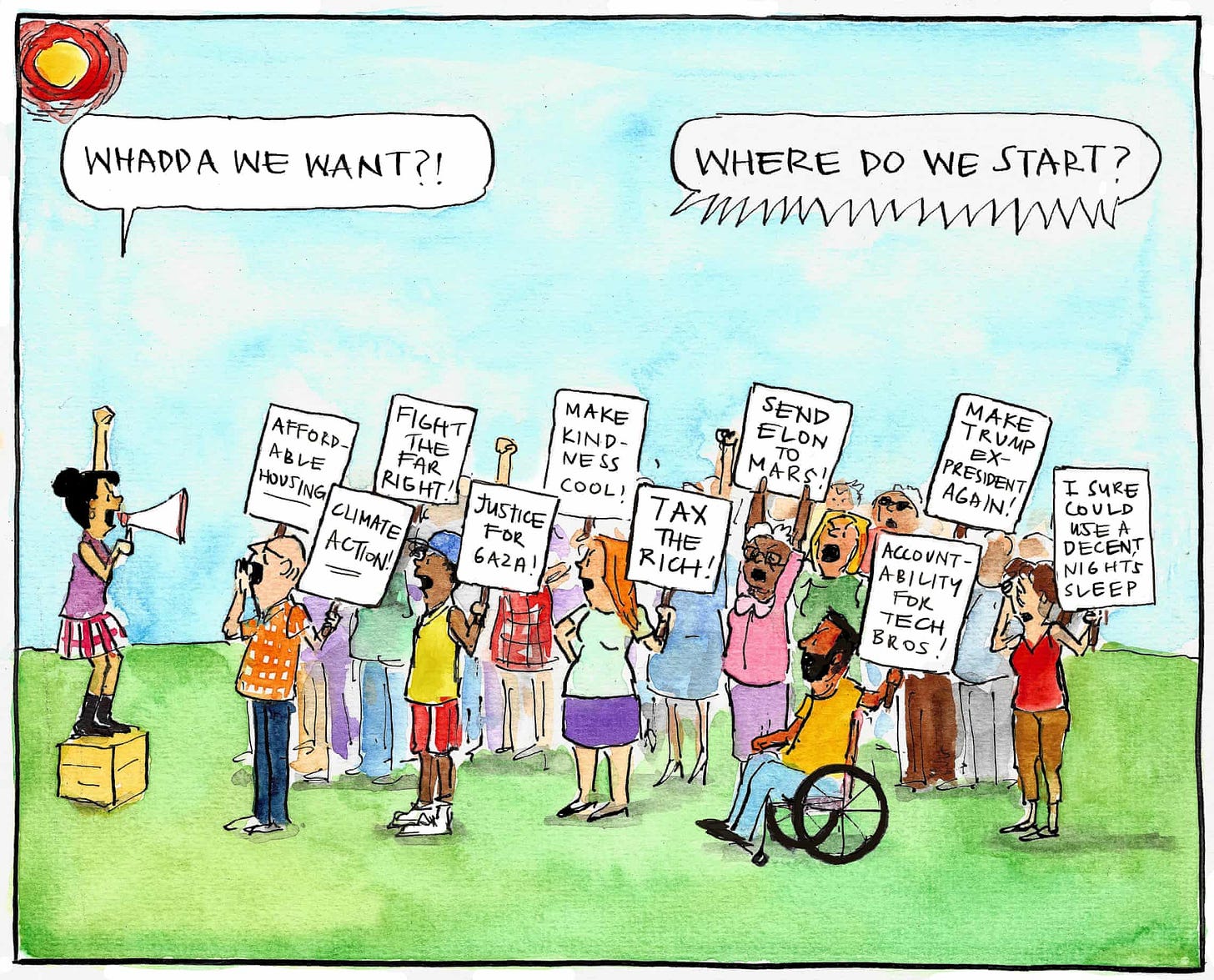
Personal AI statement: I should say that I am not Anti-AI. I am Pro-Human however. It is a tool like all others that have come before; in the right hands it can be incredibly creative and transformative. In the wrong hands it can amplify the absolute worst of humanity and be utterly devastating. It could cure cancer as well as enabling more efficient “hands off” genocide. It could save us from doing the tedious work as well as replacing the human joy of creativity.
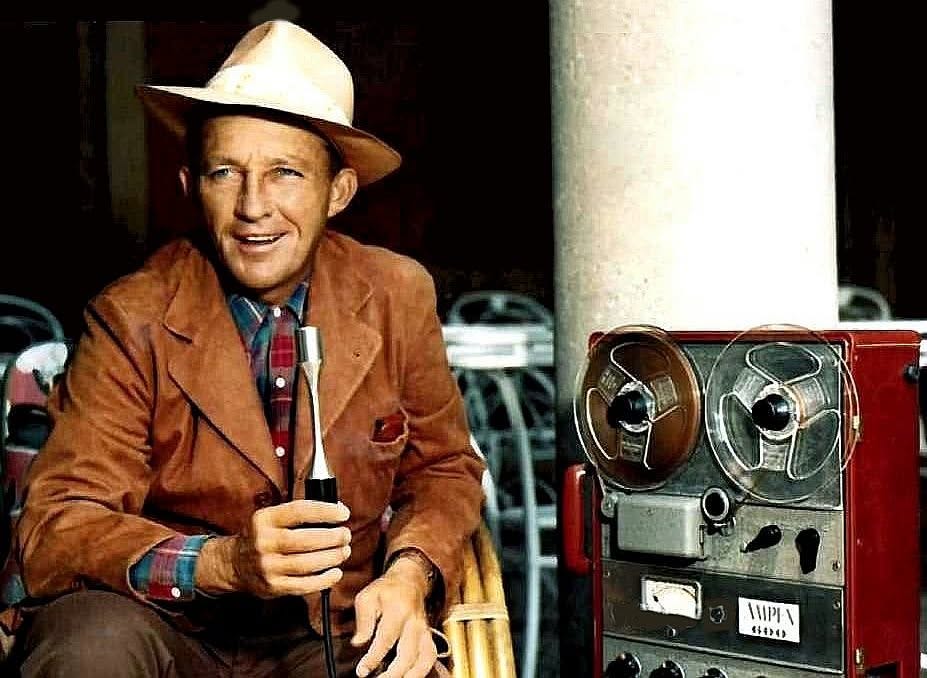
Advancements in technology have always been at the forefront of music - from Bing Crosby fuelling the development of recording to magnetic tape (the spoils of war from superior German engineering) mainly because the schedule of live radio shows in different timezones was brutal: he wanted to edit, refine and polish the shows to increase professionalism.
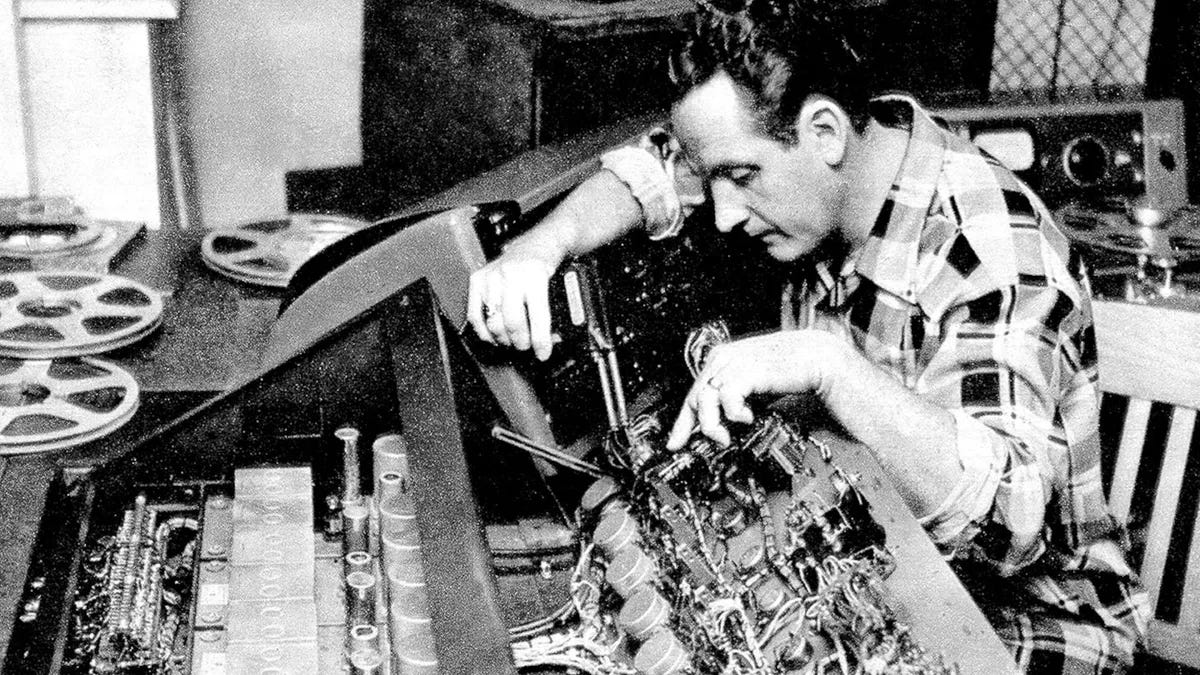
But it was Les Paul who really surpassed the limitations of the format, giving us multi-track recording, overdubbing, and tape delay effects. From as far back as Bartolomeo Cristofori pioneering the “loud-soft” machine to Antares developing Auto-Tune; musicians have been at the forefront of technological advancements to realise new forms of expression. Musicians have always sought to push up against the boundaries, and often even surpass them.
“Freedom is not the absence of boundaries,
it is in the defining of the parameters”
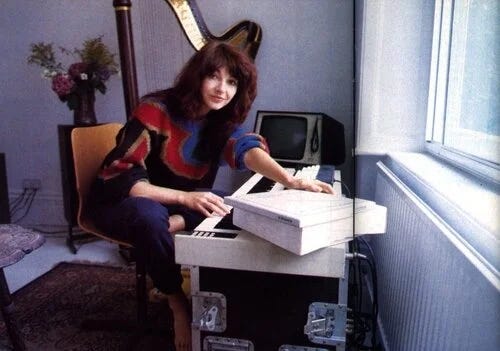
Imagination, craft and out-of-the-box thinking combine to invent new solutions to existing problems. Synthesizer and drum machine developments launched the luddites out of the woodwork to decry that they would replace real musicians. They didn’t - creative people like The Purple One used these tools creatively to forge new expressions and create genre explorations. Kate Bush experimented fruitfully with a Fairlight Synthesizer (An Australian Invention) to create the unique textures of “Running Up That Hill”.
People overused and misused Auto-tune so that it became its own effect. Most use it subtly to error-correct a few notes “here and there”. Because the tool is readily available, it is used without friction. It requires human intervention and conscious discipline to refrain from the advantages it brings - time saving, improving under-prepared vocal technique, and a greater perception of a more professional, consonant performance. Towards the homogenised mean. The expression, emotion and humanness has been ironed out.
It is difficult to know at what point the machine is doing more of the work than the artist
This is difficult to quantitatively measure. So much so that recording studios and their bewildering tools are now considered an instrument in themselves - it’s an instrument that you need time to learn. You need to amass a significant amount of projects & experiences in the studio so you can develop a sense of appropriate human judgement - some call this “taste”. “Musicality” is innate and embodied in individuals for sure, but it is also crafted into view by skilled individuals who know how to drive the tools and technology.
But now with AI, we have to grapple with an entity that can produce plausible content in every domain at an industrial scale without human intervention. This time it’s fundamentally different.
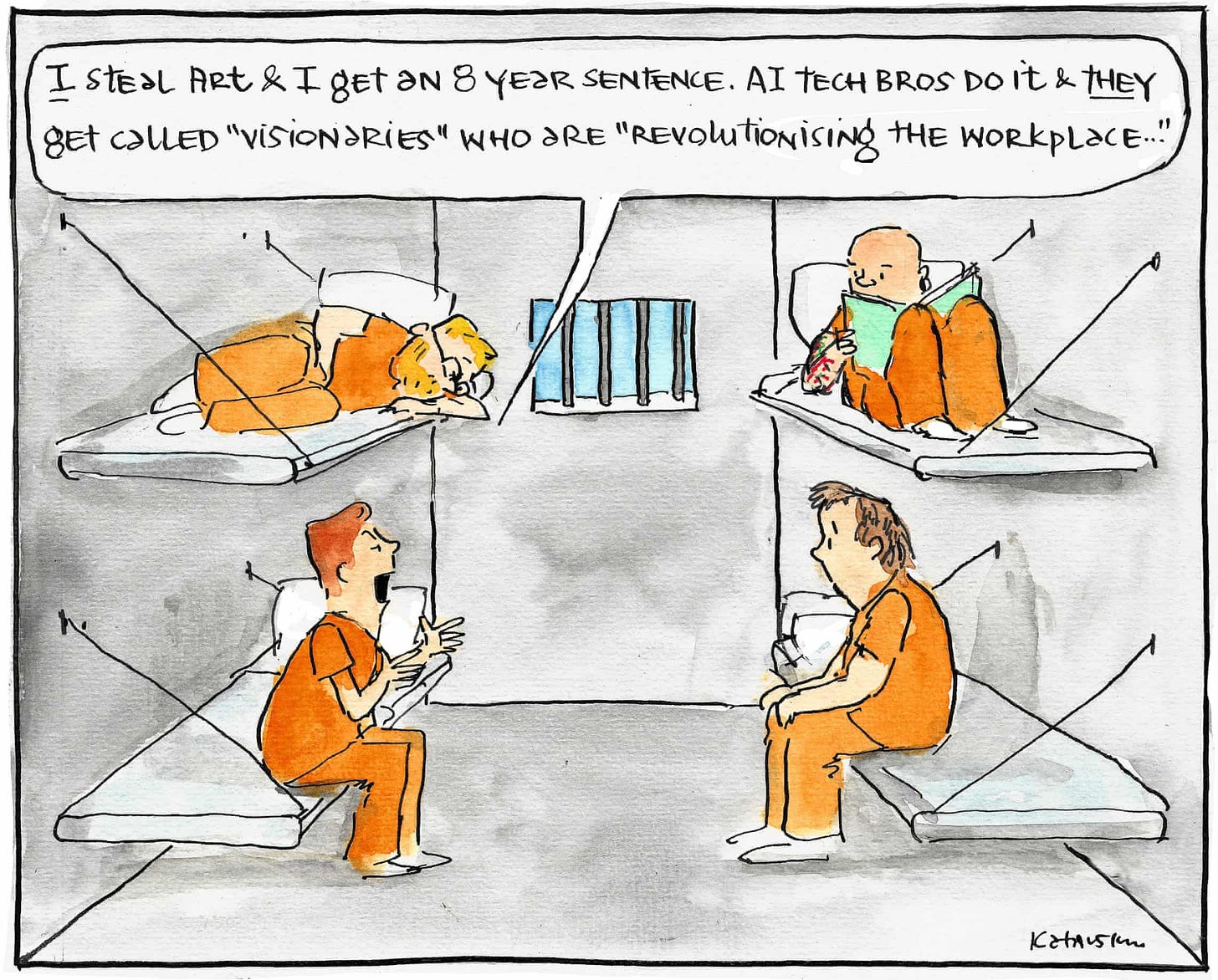
Never before has it been so consequential to prove your own humanity in the creative sphere: to be constantly on the endless treadmill to feed the social media machine to demonstrate you are doing things. If you’re not posting, do you really exist? If you’re not posting, how will people find you? If you don’t post, are you actually employable?
Never has it been more consequential to make sure the decisions you are making are the right ones - if you write that adventurous and challenging work that pushes all the boundaries, and put on the show, and people don’t turn up and there’s not enough on the door to cover the band how are you going to pay the rent? Whilst risk and reward are inextricably linked; the pressure of the “Break Even is the New Metric of Success” paradigm can only result in less adventurous programming and safer presentations. Increasingly, the fear of speaking about your political beliefs results in the very real risk of being cancelled; with very serious implications. This has already resulted in self censorship, disengagement and apathy.
Never has it been more important than right now to articulate your individual values as a creator though. What decisions did you make consciously? Which did you make subconsciously? Which tools did you decide to use? What’s your pedigree? How many followers do you have? What’s your manifesto? What parts of the creation were AI-assisted? Which were Auto-tuned? Which parts were “nudged” to be in the groove? Does any of it even matter?
Authenticity and Trust are the new metrics of value in the Age of AI.
This is the New Gold rush.
Like gold, authenticity and trust are hard fought for, difficult to refine. Finite and easily stolen. These elements are the special sauce. Who can really do it without all the fancy tools? Who has the embodied knowledge? Who is versatile enough to not have to rely on the special tool? Who can do the thing on the most basic and rudimentary of all tools? Who can nail it on the first take? Who has the finely tuned aesthetic based on years of experience? Who can inspire and create an atmosphere so that other people can be the best versions of themselves? (and make a great performance even with the red light fever of recording). Who has the necessary humanity to have the difficult conversation and still preserve goodwill, mutual respect and workflow?
Whilst discussions of these higher order “embodied” skill sets are fantastic - you know it when you see it - the reality is that:
“It takes a lot of effort to make something look effortless”
Nothing can replace the hard work and constant struggle as a creator of things to “engage in the things in which you cannot yet do”. Being a musical human is in trying to do the things that we cannot yet do. The struggle is embedded. Trying, failing, picking yourself up and keeping on going is the interactive learning spiral that all musicians engage in.
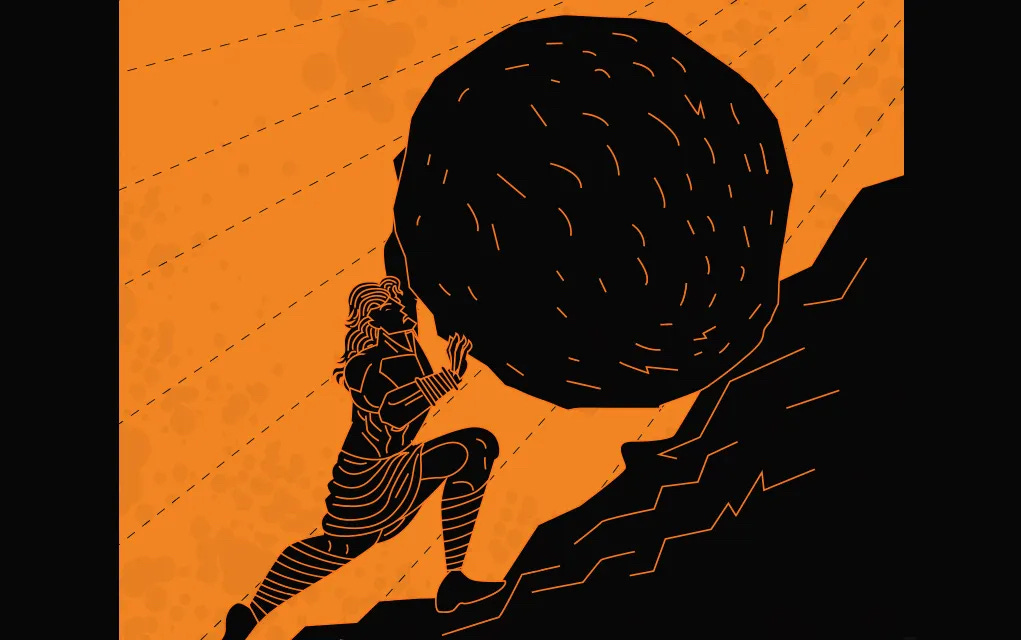
“We are created to create. To make things. The work is not separate from the meaning. It IS the meaning” - Joshua Heath Scott
This whole thing about AI making everything so easy that it removes all the friction from being able to know anything or do anything is completely misguided. That somehow if the suffering and struggle involved in learning something new was completely removed that we would all be happier. We wouldn’t be happier, because it wouldn’t mean anything. We don’t respect the things that we didn’t earn and have to sacrifice for. If you really earned it, you respect it, you respect yourself, and others respect you for that work. Escaping difficulty and challenge is not human - To be human requires work and effort to survive. Identity gets framed and made in the work and the struggle, in working towards who we are becoming. It is about the journey of becoming. As well as the grit, resilience and empathy byproducts that this struggle comes with; the work of becoming is the human path that we are all walking down. To deprive another of engaging in that is to rob them of their humanity. Although, helping one another to not make the same mistakes you did is also a very human endeavour.
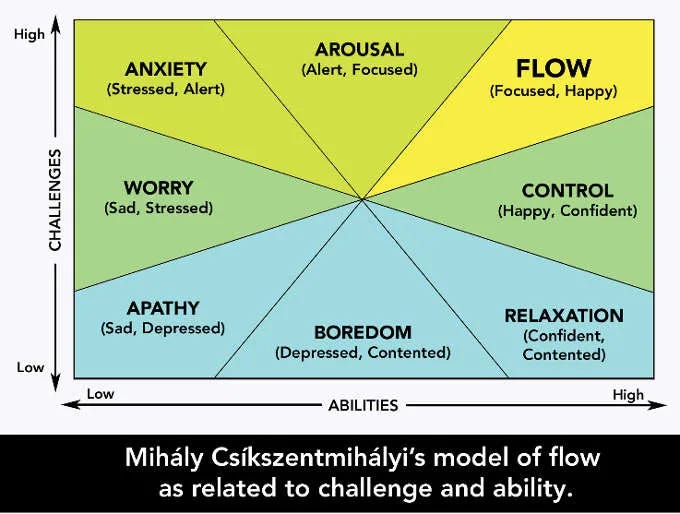
In the struggle to overcome and in learning the things we cannot yet do, Mihaly Csikszentmihalyi’s Flow model states that the optimum state of engagement in an activity (“Flow” or being “In The Zone”) happens when your skills perfectly match the challenge of a task. Time seems to fly, and you feel a deep sense of happiness. Note here that Challenge is important. Without challenge, you get bored. Too much challenge and you get frustrated and can’t do the task. We need the challenge to be engaged in the task.
We need to work.
We need to better ourselves.
Albo’s recent speech guaranteed that creator’s creative works would be protected and that our IP and copyright laws would not be used as pawns in the chess game where kings and queens and bishops could have their heads toppled. I absolutely applaud the significant efforts of the organisations that represent writers, musicians, artists and other creatives to lobby the government to protect this vital mechanism that attributes value to our collective creative outputs. However, we’re shutting the gate after the horse has bolted - AI companies have already scanned all the books in all the libraries, they have already ingested all the music and integrated it in their LLMs.
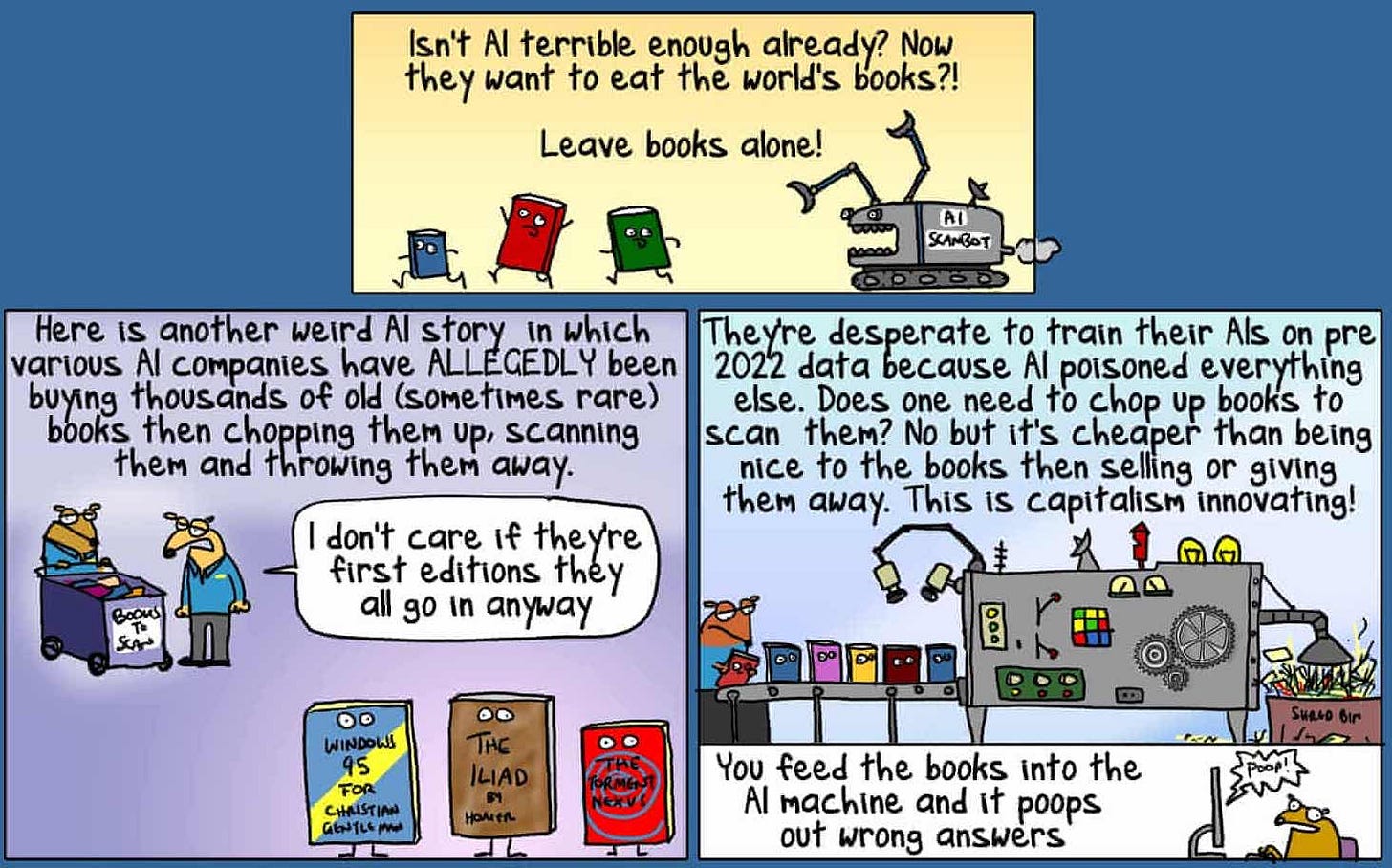
They have done this all without permission, all without payment or royalties. It has all been stolen. The largest theft in modern history. They want the Australian Government to let them off the hook for the most egregious theft ever committed. Many of these AI tech companies have (on paper) valuations greater than the GDP of Australia. Yes, you heard that right. One of those companies is worth more than what nearly 30 million Australians produce per year. That’s one of the reasons why their lobbying has been so powerful, relentless and effective. These companies now have the audacity to blackmail governments such as our own. Boiled down, the blackmail scenario is “if you don’t relax your copyright rules (after we’ve already stolen everything) we won’t invest in building our (incredibly energy and water intensive) data centres (that Australia will not benefit from hosting)”. To Albo’s credit, what he has said publicly seems to be aligned with the incredible work done by APRA/AMCOS, Australian Music Centre, Writers, Musicians, and people interested in protecting and amplifying Australian stories and voices in Australian culture. Time will tell as to what actually happens from establishing the “Office of AI”. It will undoubtedly require bold and visionary policy, with fearless implementation free from multinational vested interest lobbyists. Have we been able to successfully sideline these forces in the past 25 years when we critically needed to? Hmmmm……….
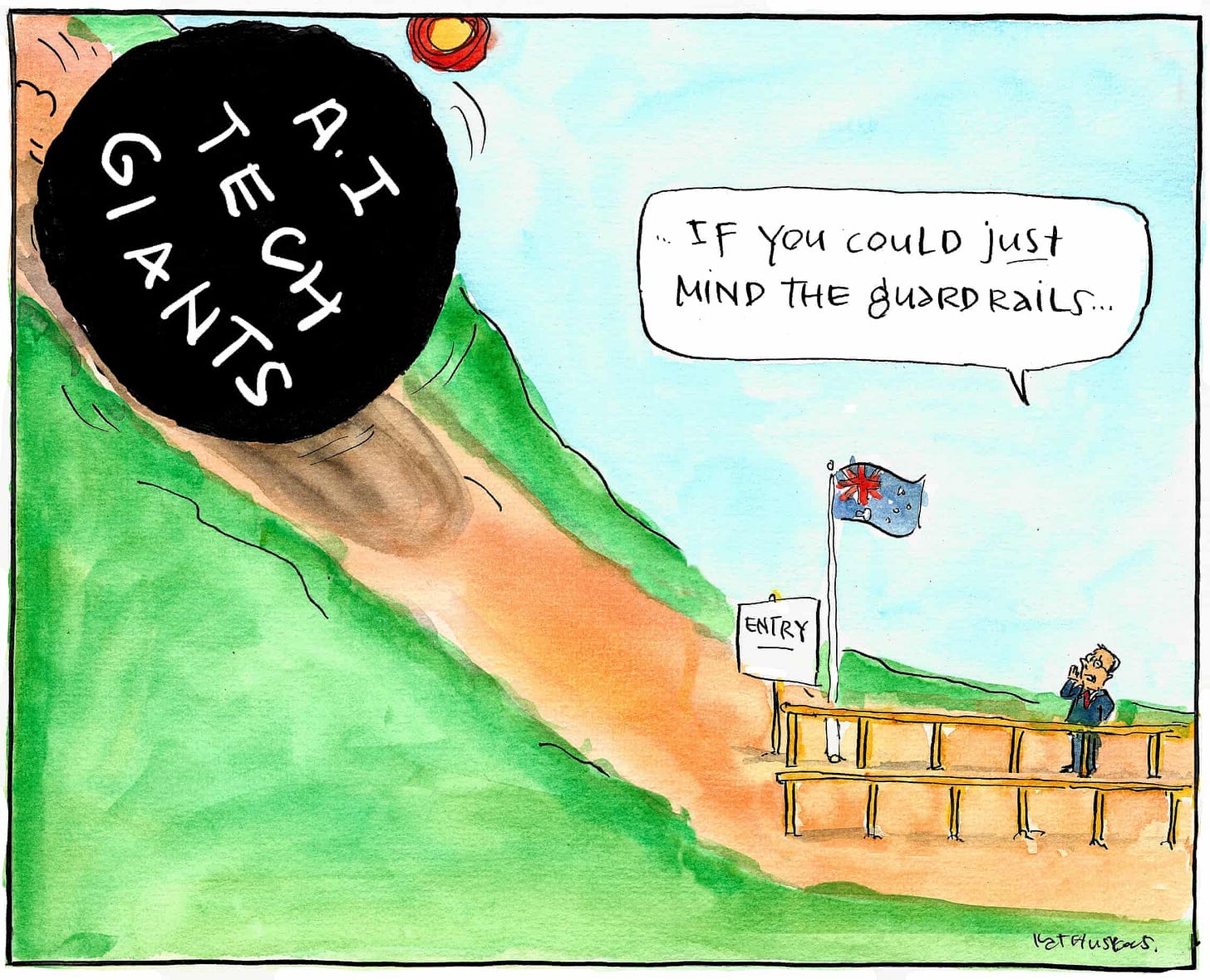
Albo’s hand was forced, we have to act. Unrestricted, AI that will continue to grow exponentially without appropriate guardrails will be humanity’s greatest missed opportunity. It will make the missed opportunities of the early days of social media development look insignificant. Of course, energy hungry data centres should indeed source their own (renewable mandatory) power. Australia has one of the best wind and solar resources anywhere in the world. Of course they should have strict rules about only using recycled water to cool these data centres. There’s something strangely poetic in the idea that these massive data centres generate AI-slop whilst potentially using human waste as an essential input to cool the machines to make this generation’s Soylent Green.
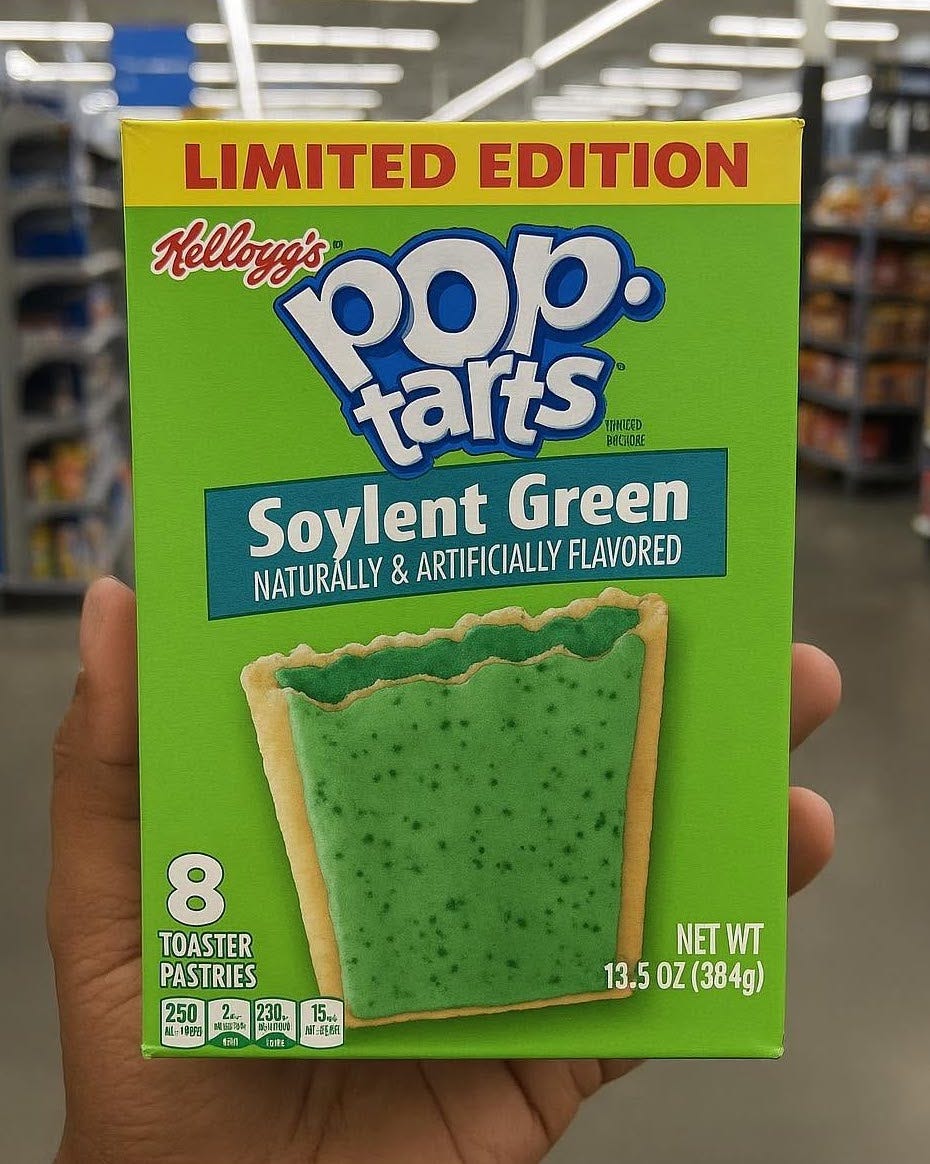
Whilst we do theoretically have limitless possibilities in Australia, what we do not have an abundance of is what Rutger Bregman calls “Moral Ambition”. What do we do in Australia? What competitive advantage do we have? When will we ever stand on our own two feet and not look to our unhinged and increasingly untrustworthy older brother across the Pacific; or look to divorce ourselves from our morally shameful colonial origins? Are we mature enough yet? Are we grown up enough to make our own decisions culturally and in society? Decisions made by ourselves, for ourselves? The Indigenous Voice to Parliament has recently demonstrated that, no, we do not have the capacity nor the willingness to listen.
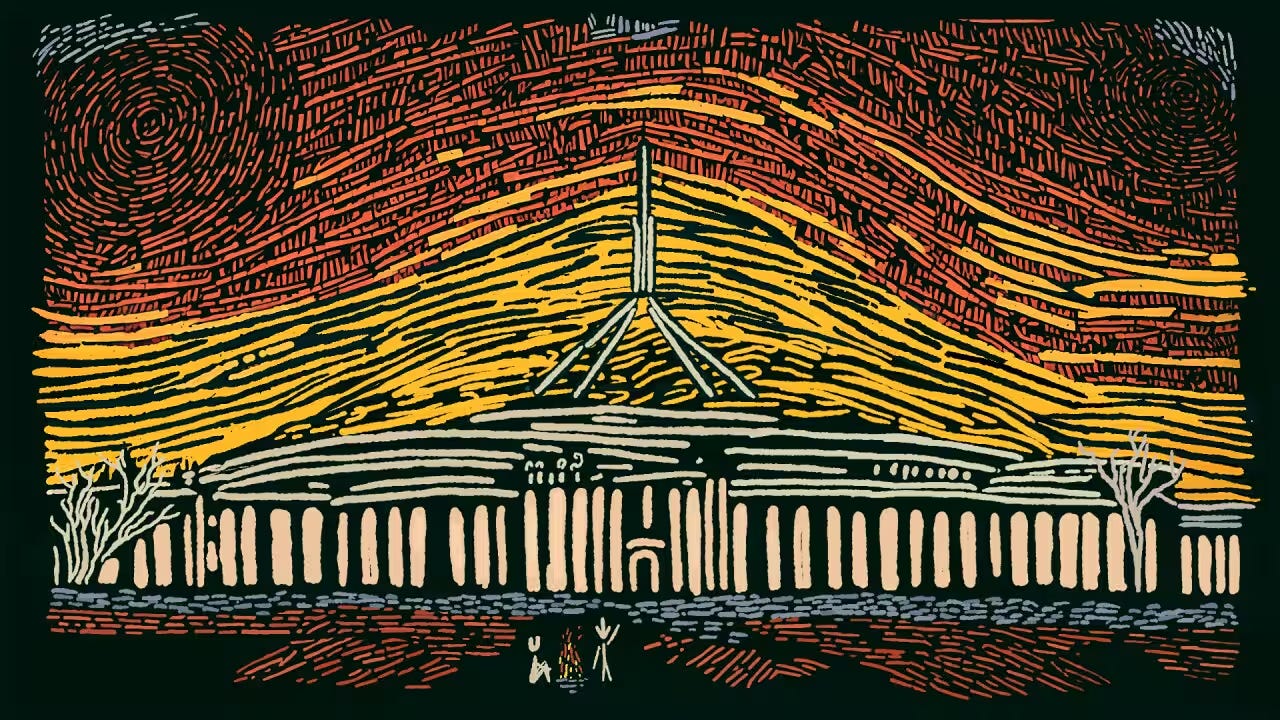
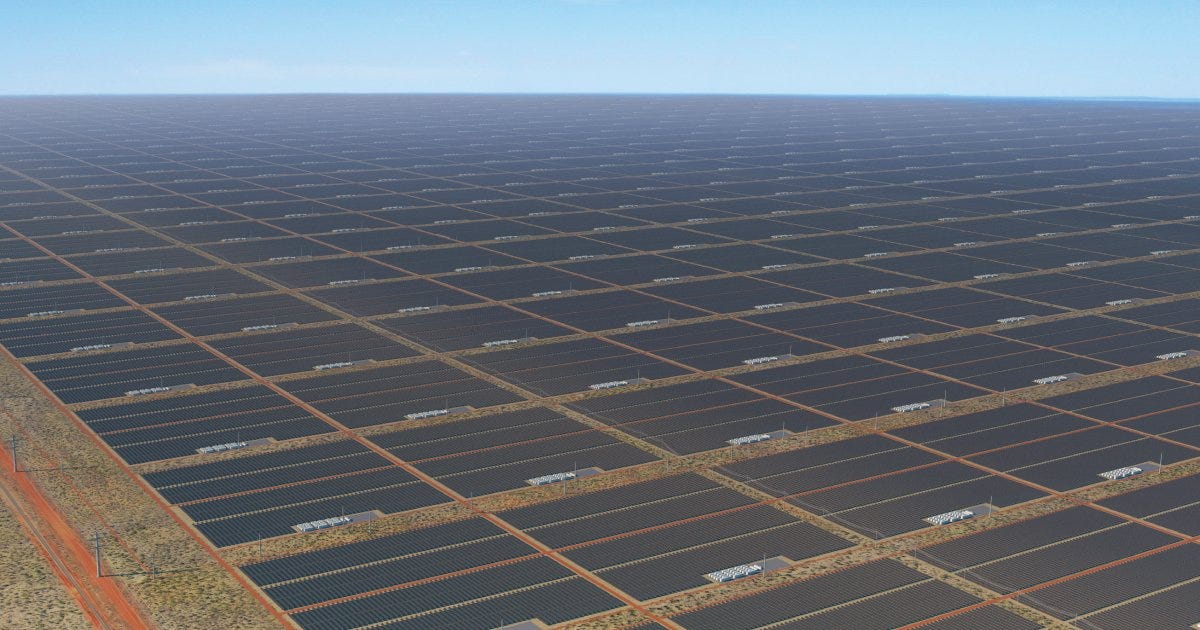
How does this advantage AI development in Australia when we are generally considered a cultural backwater? Well, as with all aspects of AI there are advantages and disadvantages. Whether we like it or not AI is here to stay. We have to step up to have the moral ambition to make the difficult decisions, to put the appropriate guardrails around it. To make it safe and useful; not just for Australians, but as we’re in south-east Asia we have the unique opportunity to set the moral and technical standards for appropriate AI use in all areas: Education, Culture & Arts, Industry, Professional Services; as well as how we relate to it in our private lives. Yes of course there’s the ambitious SunCable project; of building an unimaginable amount of solar in Australia’s Top End and sending the electrons down a big cable to power hungry markets like Singapore. I would classify that as a financially ambitious large scale project that has the potential to please shareholders. Moral ambition and addressing climate change are a by-product of this as yet uncompleted project however.
We have a unique opportunity to be morally ambitious to set the gold standard for ethical AI use. We made international news by being the first country to ban social media for under 16s. Other countries have followed our lead and have implemented similar legislation.
What’s more difficult however is putting the appropriate guardrails around this, and getting people to agree with them. Democracies are increasingly fragile and susceptible to interference and manipulation from bad actors. Governments are slow to act, laws and legislation are even slower to implement. Achieving consensus at an international level? Ask the UN how that’s going. Achieving actual meaningful action on addressing extremely consequential things necessary for the continuation of humanity like Climate Change even with everyone agreeing that “something should be done”? Yep, still waiting for that to magically materialise.
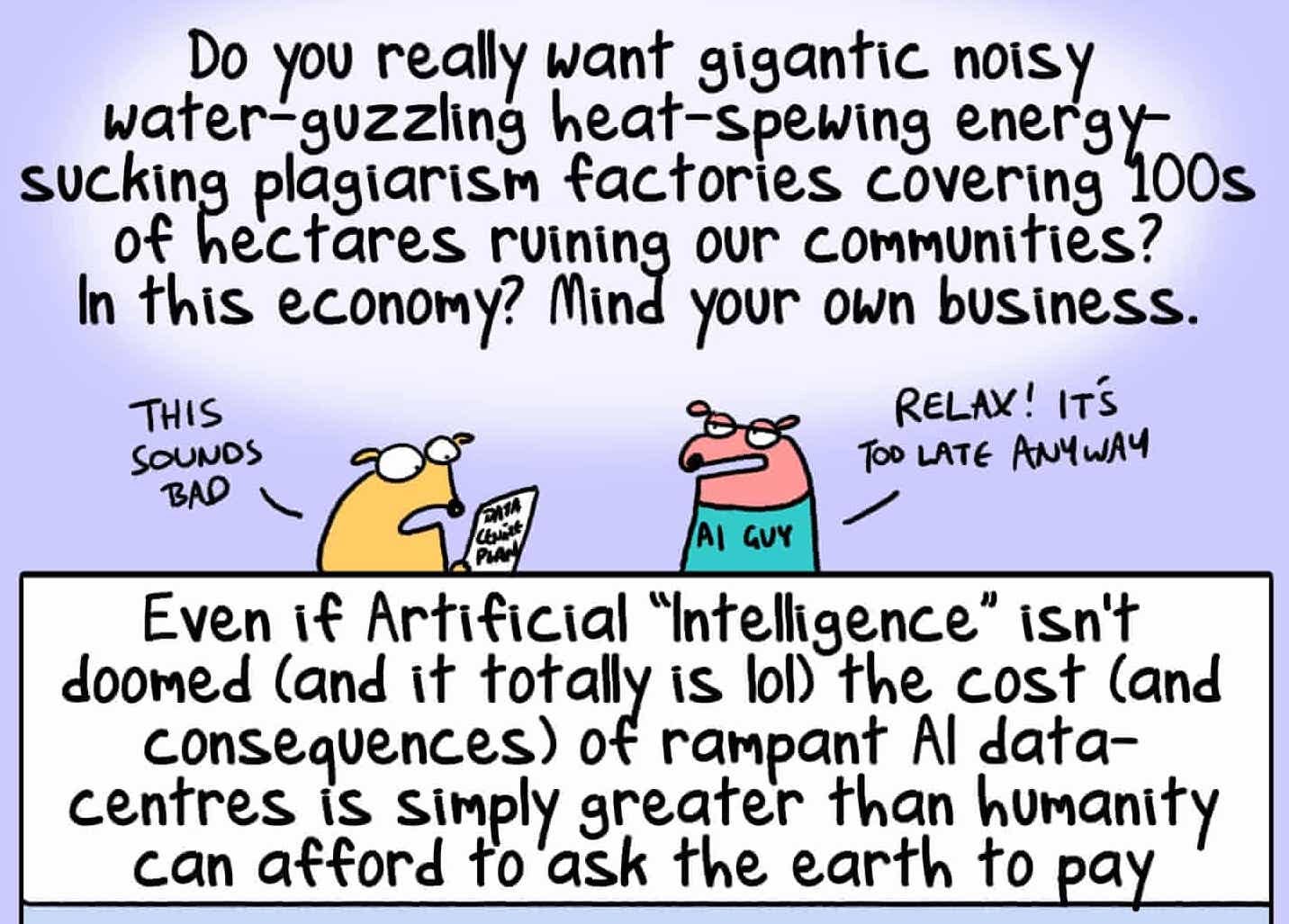
Some context: Australia is a middle power in the OECD. Big enough to generally get a seat at the table; big enough and rich enough to not be ignored and excluded. Geographically out of the way of most trouble but still with opportunities to form closer ties with our neighbours. Not small enough to be nimble in the ways that Scandi countries make extraordinary decisions about establishing sovereign wealth funds when they extract North Sea oil. Australia is Minerally desirable; I suspect much of our complacency comes from this “Luck” in The Lucky Country. Some would say “Dumb Luck”.
In Australia, we have consistently declining literacy and numeracy rates compared with our OECD neighbours. “Good” schools are only for those who can afford it, further contributing towards class divide and limited opportunities. Once a source of pride, independence and constituting a “fair go”, our university sector is increasingly inaccessible, expensive, and facing huge financial pressures. This ever widening divide is no longer able to be stitched back together with incremental improvements. It requires much more than that for meaningful change to occur.
There are more than 100 university executives in Australia who are paid more than Australia’s Prime Minister. Why?

The act of trying to save ourselves from ourselves - is it our own individual responsibility, our collective responsibility, or a job that “the government” should fix? Maybe all three things are true. Maybe things need to happen on all levels. Maybe we need to make & commit to moral standards for ourselves and our closest, advocate for moral standards in the communities in which we reside and operate in, as well as lobbying our elected representatives for the following reasonable requests:
Mandatory labelling of AI generated content & AI assisted content, publicly and in metadata.
Mandatory disclosure of AI generated materials on all media broadcast and distributed in Australia on all networks: radio, print, TV, advertising, online.
Endorsement & Inclusion of “Proudly Human” and/or “Guaranteed Human Made” watermark on all published works.
Protection of existing IP including all works that have already been ingested.
Protection and updating of current Copyright Laws to encompass current developments.
Opt out clauses for IP rights holders who do not want their works to be used in AI data training sets.
Sovereign wealth fund to be established to come from the profits of AI companies whereby the government owns stock in these companies and grants them a “licence to operate” i.e Bernie Sanders legislation. Profits from this to directly feed the means-tested pensions of artists and creatives who have never had the opportunity to accumulate superannuation.
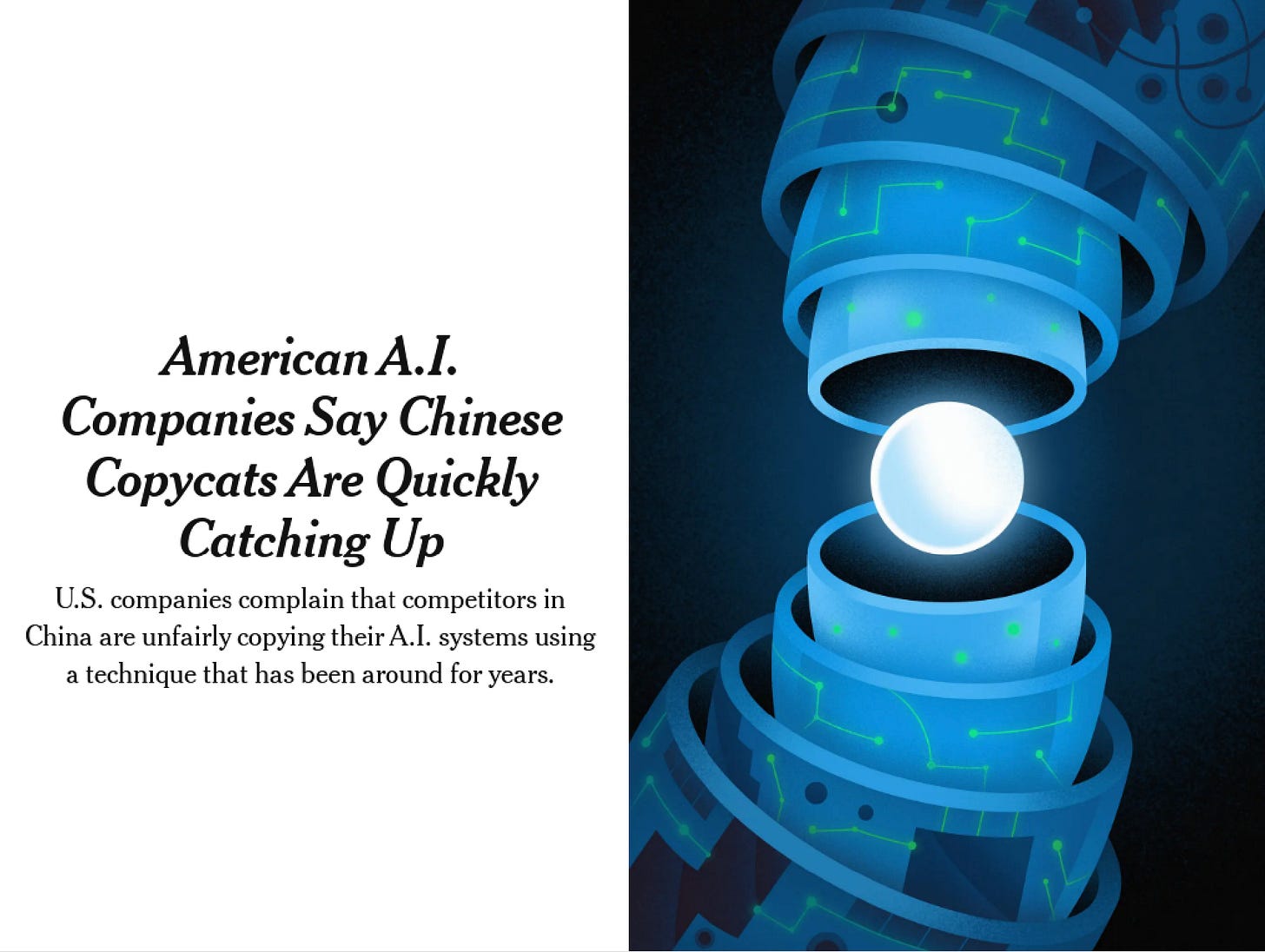
Individual habits need to change. Consumers of culture need to demand authorship recognition and make efforts to understand how and why that work comes into being. We need to reward the hard graft and the effort that it takes to realise adventurous work that pushes the boundaries and breaks new ground. We need to resist the urge of convenience, frictionless experiences and the “easy path”. We need to take the path less travelled, the scenic route where the paths are not made as well and could get a little bumpy (but the views will be better I promise). We need to reward local small-scale human endeavour with our patronage, support and encouragement. We need to consciously and ethically make better decisions. We all need to demand it.
Recently, the no. 1 song in Australia was found to be largely AI generated. Whilst the practice of “prompting your way to banger” (that people think they like) is dubious at best when you don’t even play an instrument or have any decent musical ideas for yourself, let alone an absence of any kind of embodied musicianship or evidence of continued struggle to engage in trying to do the things we cannot yet do - people don’t seem to care, which is the crux of the problem.

Maybe that is why Vinyl has made such a resurgence. It is definitely not because Vinyl is a superior medium for listening to music; technically it is a compromise on many different levels. Vinyl is better emotionally: it feels good to hold the object in your hands, the ritual of dropping the needle on the vinyl and the expectation of the first sounds coming from side A. The liner notes and credits on the sleeve add to the context and understanding of where that sound comes from and who made it. You get to develop a relationship with those who made it, and a deeper understanding and insight into why they made it. In some ways it forces you to listen, it commands your attention. All these experiences contribute towards the notion of what we would generally describe as a “fan”. It actually helps you listen and be enthusiastic about the music.
You have to deliberately listen to it, putting on an album is not background music.
I realise that I’m probably swimming against the tide and screaming into the void with this writing, but there is a very small part of me that refuses to believe that the actions of one person are inconsequential. Sure, it would be better if this small spark ignites a larger flame and it contributes towards meaningful change and appropriate guardrails being installed so we can save ourselves from ourselves and ensure that “runaway AI” and Terminator-type post apocalyptic scenarios do not eventuate. To be honest I’m not sure if any of this can be steered in the right direction. The spark that I am trying to ignite here may just result in a towering inferno in which the whole thing burns down and we have to start again. Maybe that is what is needed for genuine renewal? I just hope that it is a “cool burn” - an ancient indigenous wisdom whereby fire is used for renewal, learned over thousands of generations. I hope that the fire burns hot enough to germinate the dormant seeds that have been waiting patiently for their time; but not so hot that it sterilises everything in its path. I suspect when the revolution happens though, so many flare ups have already ignited in so many areas of society it will be burning catastrophically and uncontrollably.
However, I am encouraged by the real life experiences people are increasingly participating in, particularly on a local level. People going to gigs and being present in the room. I’ve witnessed several gigs recently where people go to hear things that they’ve never heard before: wiggy jazz and largely improvised music where there is a creative freedom that also incorporates obtuse, dissonant sounds that are unfamiliar and unusual. And people are digging it. I find this incredibly inspiring and also unusual. It seems that you can get away with things on a gig that you can’t necessarily do on a recording. There is a freedom in the impermanence of making sounds on the gig - after all they are just crazy vibrations travelling through the air - you can go with the energy of the room. This is quite different than a traditional recording studio environment where “red light fever” is in play, there are pressures of “getting it right” because time is money, and also you are playing in a very sterile environment with no-one listening and responding apart from the loyal engineer and producer cheering you on and pumping up your tyres. They are different disciplines.
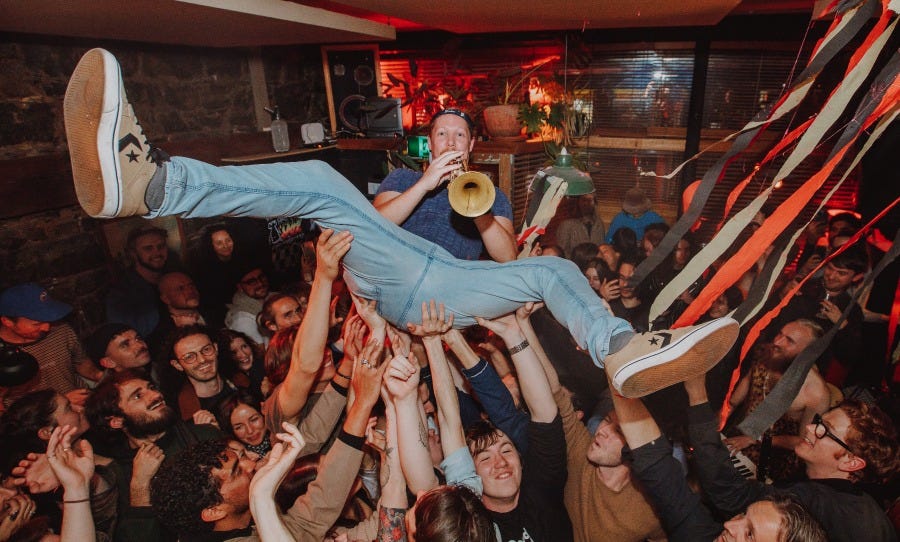
I’ve also been encouraged by the backlash in certain areas, in particular the reaction to Suno’s CEO Mikey Schulman who said in January 2025:
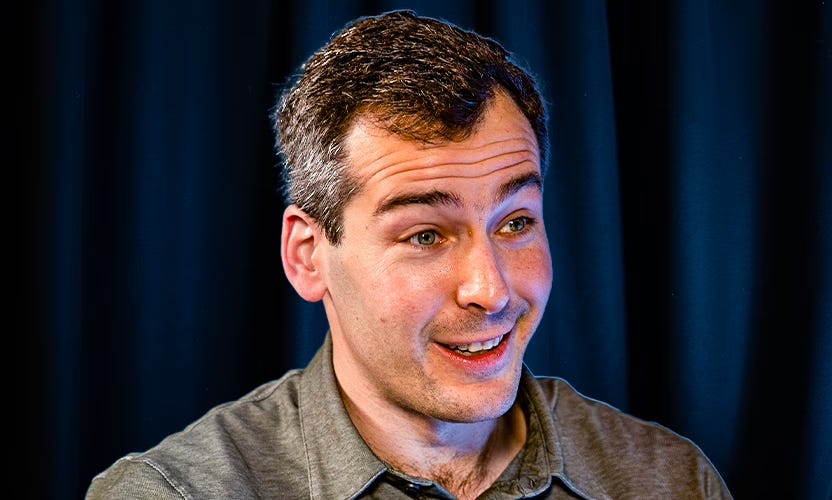
“It’s not really enjoyable to make music now. It takes a lot of time. It takes a lot of practice. You need to get really good at an instrument or really good at a piece of production software. I think the majority of people don’t enjoy the majority of time they spend making music.”
Yes. Yes it does. It does take a lot of time. There are no short cuts. Nor should there be. Would we celebrate a person climbing Everest if they were taken up in a helicopter? No, we would not. The endeavour, the risk, the effort, struggle and failure are important. This perspective that struggle and effort being not just unnecessary; but a discomfort to be eliminated and removed from humanity - apparently for the betterment of humanity - is absolutely insidious and infuriating. And insulting. Suffering should not be required for an artist to access the muse; those tropes are tired and outdated. It’s not helpful to the creator nor the consumer.
Artists should not have to starve in order to create authentically.
However, it is essential that people that create and make things go through all the human activities possible to realise the work and not seek any shortcuts whilst doing so. I’m not talking about the singer-songwriter using legitimate tools and technology such as rhymezone or thesaurus.com to spark different ideas and alternatives - that process still requires active & conscious human decision making. I’m talking about engaging in doing the hard work with vigour and fortitude. This kind of obsession and single-mindedness “to do the thing to the n’th degree” is what makes the artist true; and authentic. And selfish, depressed, difficult and emotional. We love the artists that go to the extreme, who push the boundaries (or at least dance around the “do not pass” line), and sometimes they even manage to smash through it. We worship the artists who crash and burn - the ones who flew too close to the sun - the artists who burn out; rather than fade away (my, my; hey, hey). These are the things that make us human however, and are to be celebrated! They did the human things. They tried their best until they could try no more. These are the things that separate us from the machine that calculates the predictable, the normal, the average, the mean. Humans historically are not attracted to this, they are always trying to make new things, to iterate better, to find a new way.
So, we have conscious decisions to make; each and every one of us. Do we want to be and create the average, the middle and the unremarkable? Or do we want to do the hard yards, meaningfully engage in the work that needs to be done in order to make the extraordinary things happen?
Comments